Voting rights
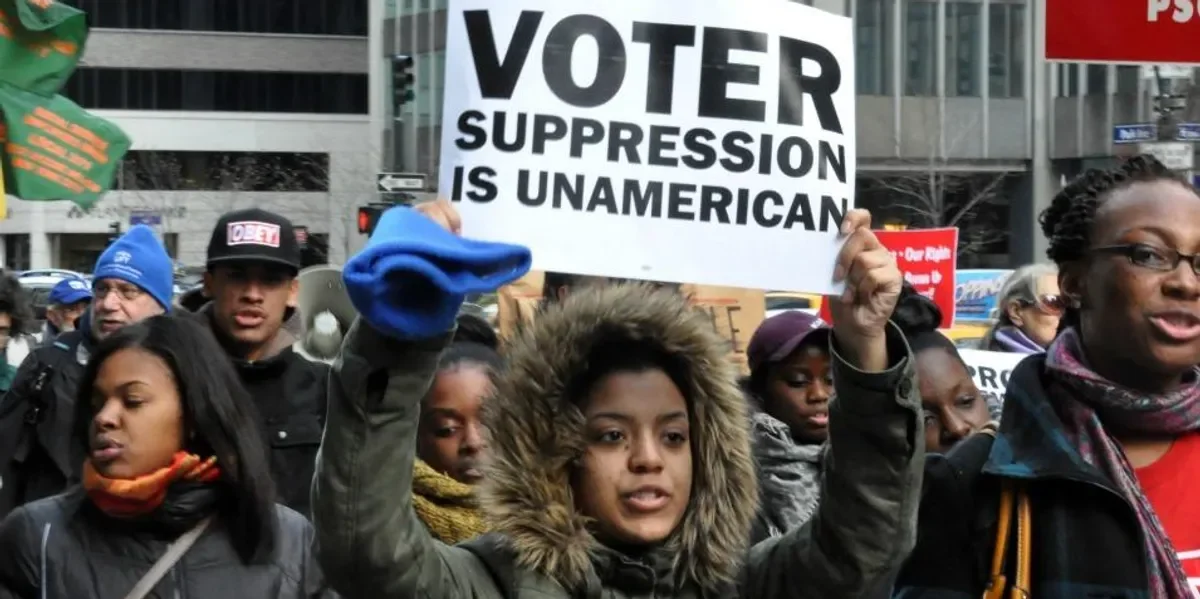
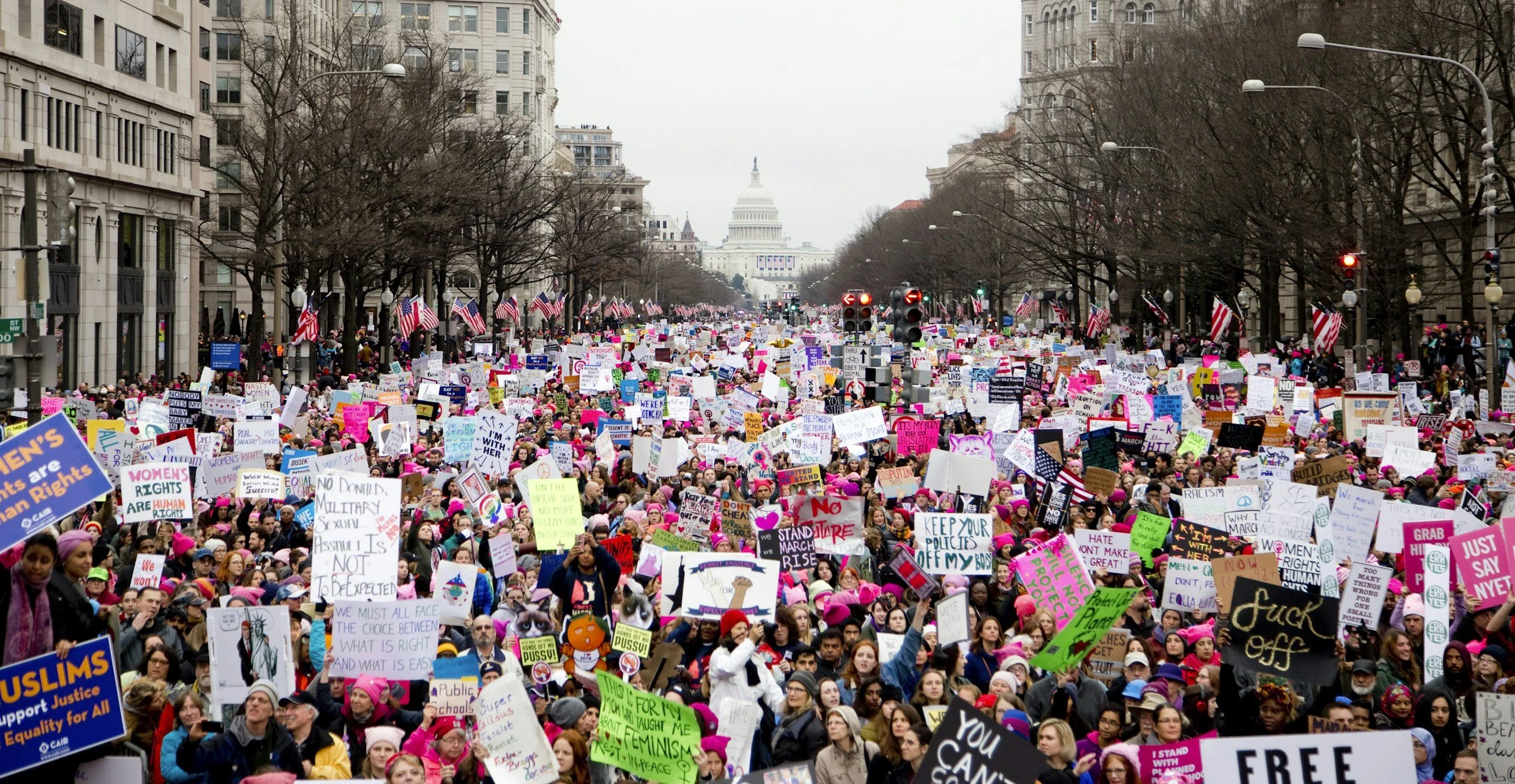
Serious problems plague American elections, making it harder for citizens to vote and preventing their full and free participation. This is particularly true for low-income and people of color. But effective and constitutional solutions are implemented in some states and a growing voting
rights movement is demanding reform.
Voter registration problems - only about 75% of eligible citizens are registered to vote.
Complicated registration forms not easily accessed
Confusing deadlines for registering
Required re-registration whenever a voter changes residence
Passports or photo IDs demanded in some states
Restrictions on absentee ballots
Voter registration solutions
Same-day voter registration - voters can register when they arrive at the polls to vote
On-line voter registration
No restriction absentee ballots
Automatic voter registration - voters are automatically registered when they interact with a federal agency (e.g. DMV, social security etc.)
Portable state voter registration - voters are not required to re-register if they change residence within a state.
Citizen registration - every citizen is automatically registered to vote.
Pre-registration of 17 year olds.
Low Election Day voter turnout - only about 55% of eligible voters cast votes in presidential elections; fewer vote in other elections.
Limited voting hours in only one day.
Long lines at polls discourage voting.
Responsibilities (e.g. work, home care, school etc.) that interfere with voting.
Long distance to travel to polls.
Disenfranchisement- former felons prevented from voting
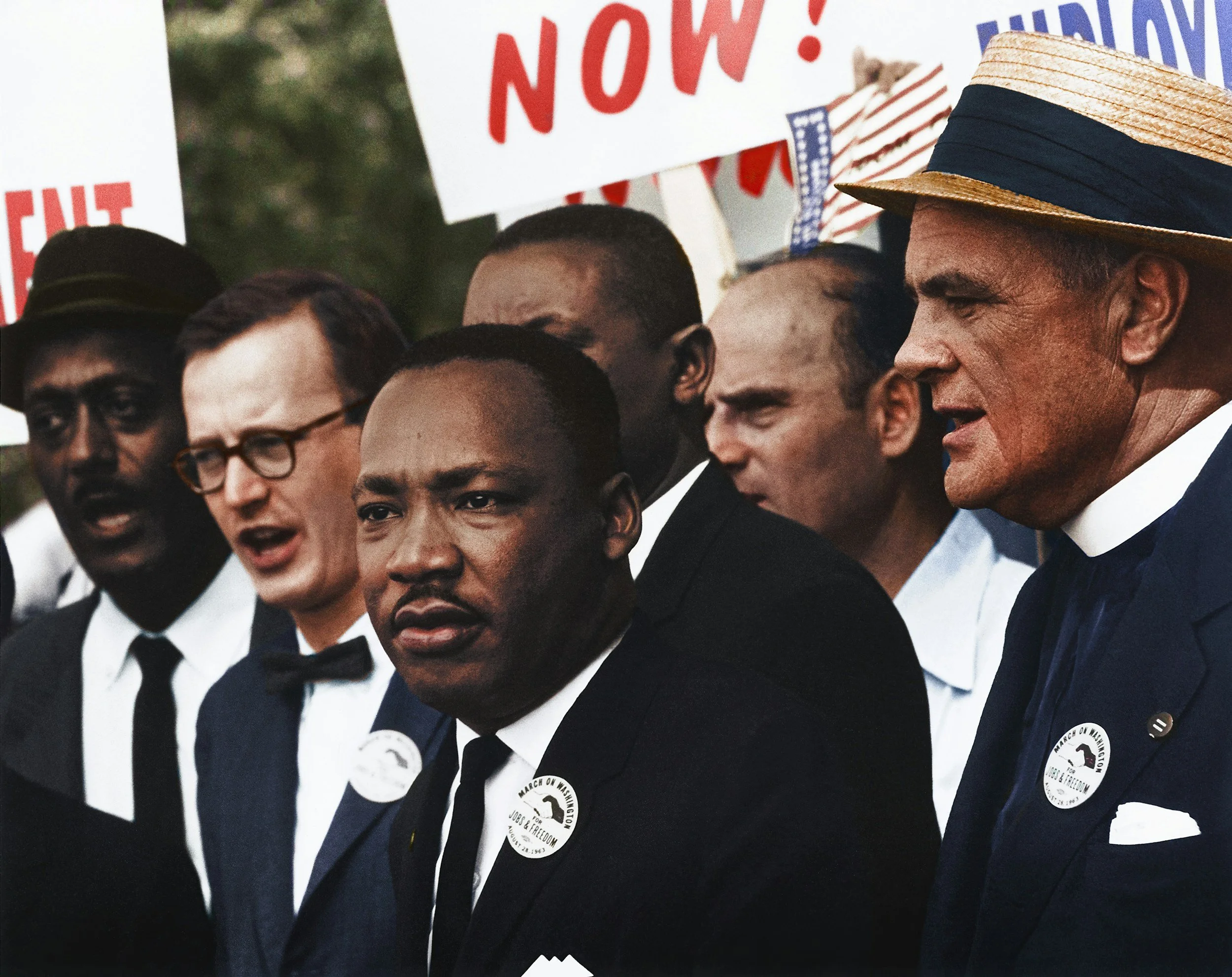
Gutting provisions of the 1965 Voting Rights Act
Low turnout solutions
Increase the number of polling stations.
Crete a national holiday on Election Day.
Free transportation to polls
Mailed ballots
No-restriction absentee ballots
Early voting days with expanded hours
Felon voting rights
Reauthorize the 1965 Civil Rights Act